Turkey Hunting in the Great Plains
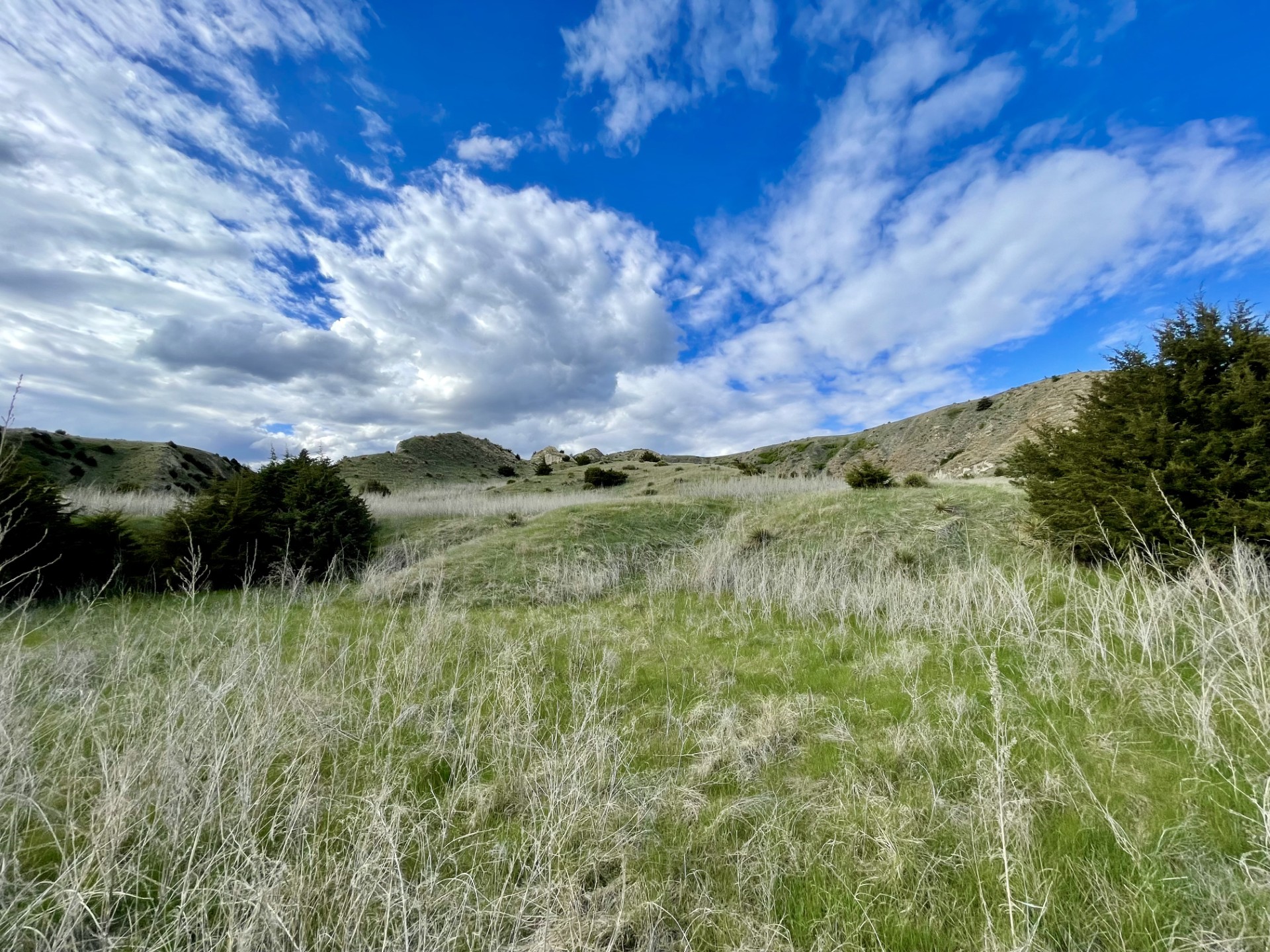
Stretching from the Dakotas to Texas, the Great Plains offers some incredible turkey hunting, including some of the most adventurous and scenic turkey hunting in the country. The region features a mix of Merriam's, Rio Grande and hybrid subspecies, and hunting strategies must adapt to the wide-open terrain.
Gracie Herman, a Nebraska native and accomplished turkey caller, summed it up in a few words.
"Challenging, but very, very fun," she said. "I'm not a person of easy hunts. It's so much better when you have that hard work put into it and you finally get that bird."
Be it spotting-and-stalking birds in the scenic Sandhills of Nebraska or posting up under some cottonwood trees waiting for a gobbler to return to his roost, the Great Plains offers a variety of hunting situations that require determination and a respect for the landscape.
Know Your Bird: Merriam's and Rio Grande
CHARACTERISTICS
- Snow-white tips on tail feathers
- More white and less black on wings
- Adult males weigh 18 to 30 pounds (heaviest entered in NWTF Wild Turkey Records: 31.5 pounds)
- Adult females weigh 8 to 12 pounds
- Weakest gobbles of all subspecies
- Shortest beards of all subspecies
- Shortest spurs of all subspecies
CHARACTERISTICS
- Tan-colored tips on tail feathers
- Same amount of black and white barring on wings
- Adult males weigh approximately 20 pounds (heaviest recorded: 37.125 pounds)
- Adult females weigh 8 to 12 pounds
- Moderate gobbles
- Moderate beard length
- Moderate spur length
Herman noted that the subspecies differences are real, but her approach remains consistent.
"I typically like to bring a couple different types of calls … either a wing bone call or a box call or both. Really, whatever the bird's in the mood for."
Understanding the Landscape
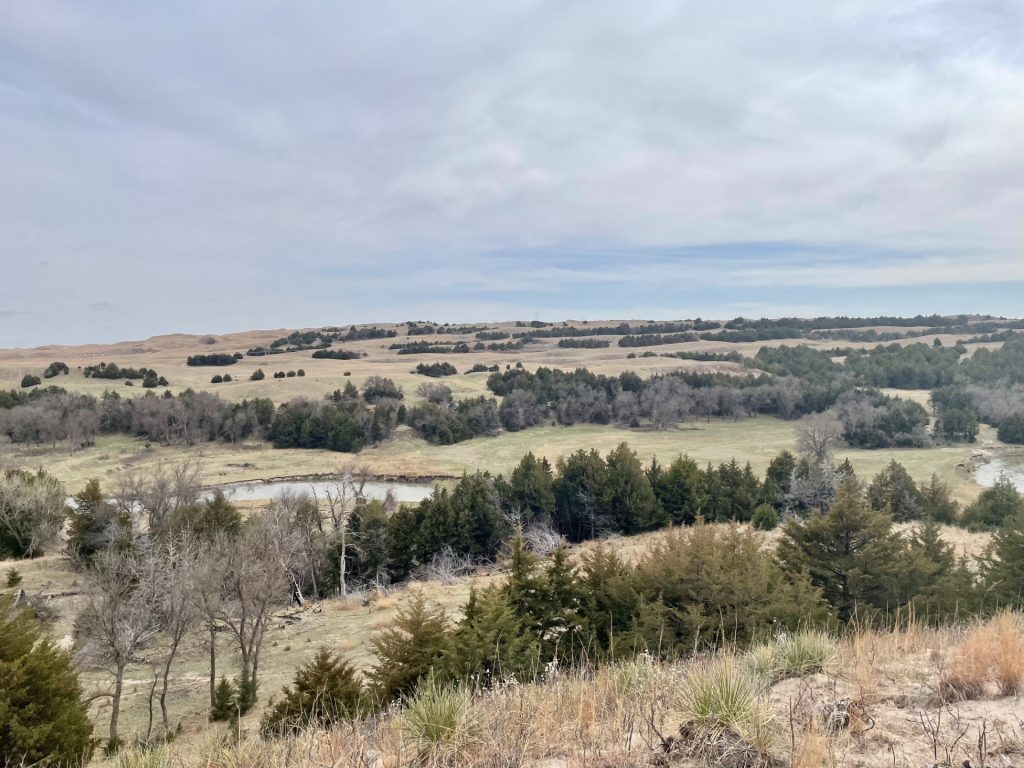
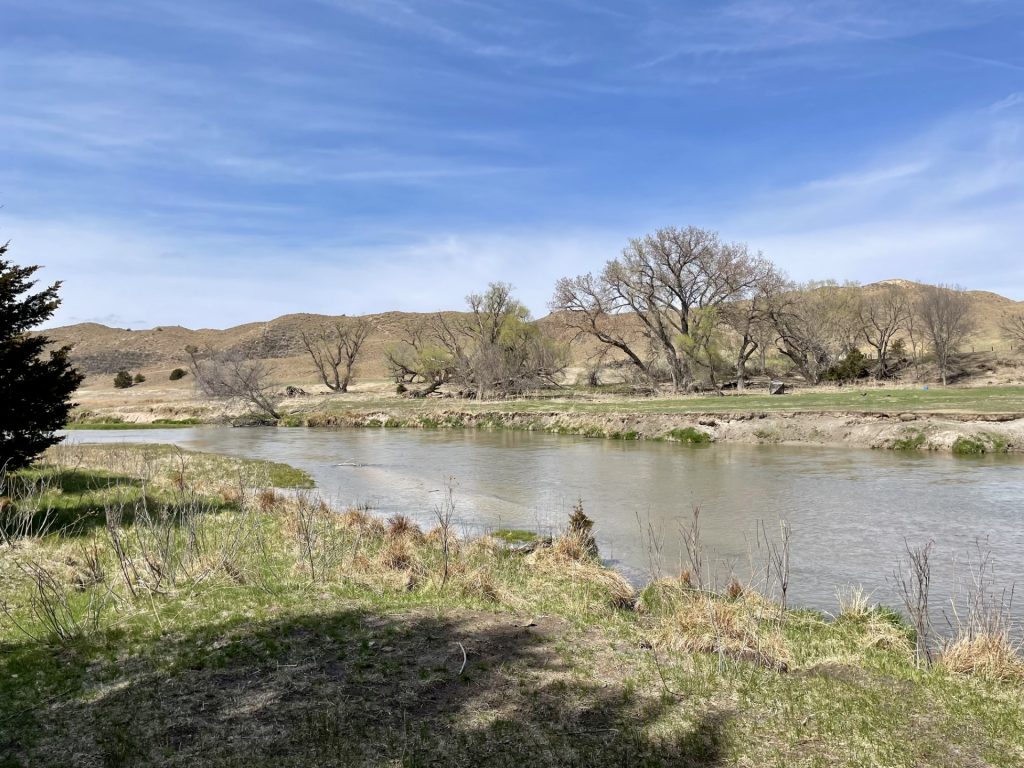
Riparian corridors are the interface between water and land and include cottonwood-lined creeks and streamside vegetation, which provide vital habitat for turkeys.
- Open prairie and grasslands are often used for bugging and strutting.
- Canyons and draws create travel corridors and cover.
- Birds often use grain fields for food and cover.
Regional Challenges
Hunting turkeys in the Great Plains presents a unique set of obstacles for turkey hunters. For instance, the openness of the landscape against the turkey’s keen eyesight, the vast daily movement of birds and the unpredictable weather should all factor into your hunting strategy.
Herman pushed back on the notion that Nebraska's open country makes things easy.
"There's a genuine misconception about Nebraska — that it's easy,” she said. “It is not easy. All the wide-open space, you have nowhere to hide. You really got to go in there with a game plan. Go scout it for about a week. We see how the birds are reacting, where they're going, what they're doing during the day. I think scouting is a big part of it."
Tips
Success often comes from including multiple strategies, including scouting thoroughly, reading terrain and knowing when to stay patient versus when to cover ground. Here are some quick tips to consider:
- Use optics — constantly. After a shotgun, binos might be the most important tool for hunting turkeys in the openness of the Great Plains. Glass from high ground to locate strutters. After spotting, consider the terrain to plan how you can get as close as possible to where a gobbler can hear your call without being seen.
- Focus on riparian zones. Setting up in riparian corridors will allow you to catch a tom coming off or going to roost. You just have to play the waiting game.
- Decoys can be game changers (both for winning and losing). In open terrain, decoys can be highly effective. Conversely, depending on the tom, even a jake decoy can send a gobbler gobbling off in a different direction.
- Be patient, plain and simple.
Hunting turkeys in the Great Plains requires that you read the terrain, watch bird movement and know when to move and when to sit tight. And sometimes, there seems to be no rhyme or reason to it all.
"Be willing and content with failure, but be comfortable and confident with your skills," Herman said. "Failure is a part of the hunt and only makes the success so much greater."