Waterways for Wildlife: Five Years of Conservation in the Great Plains
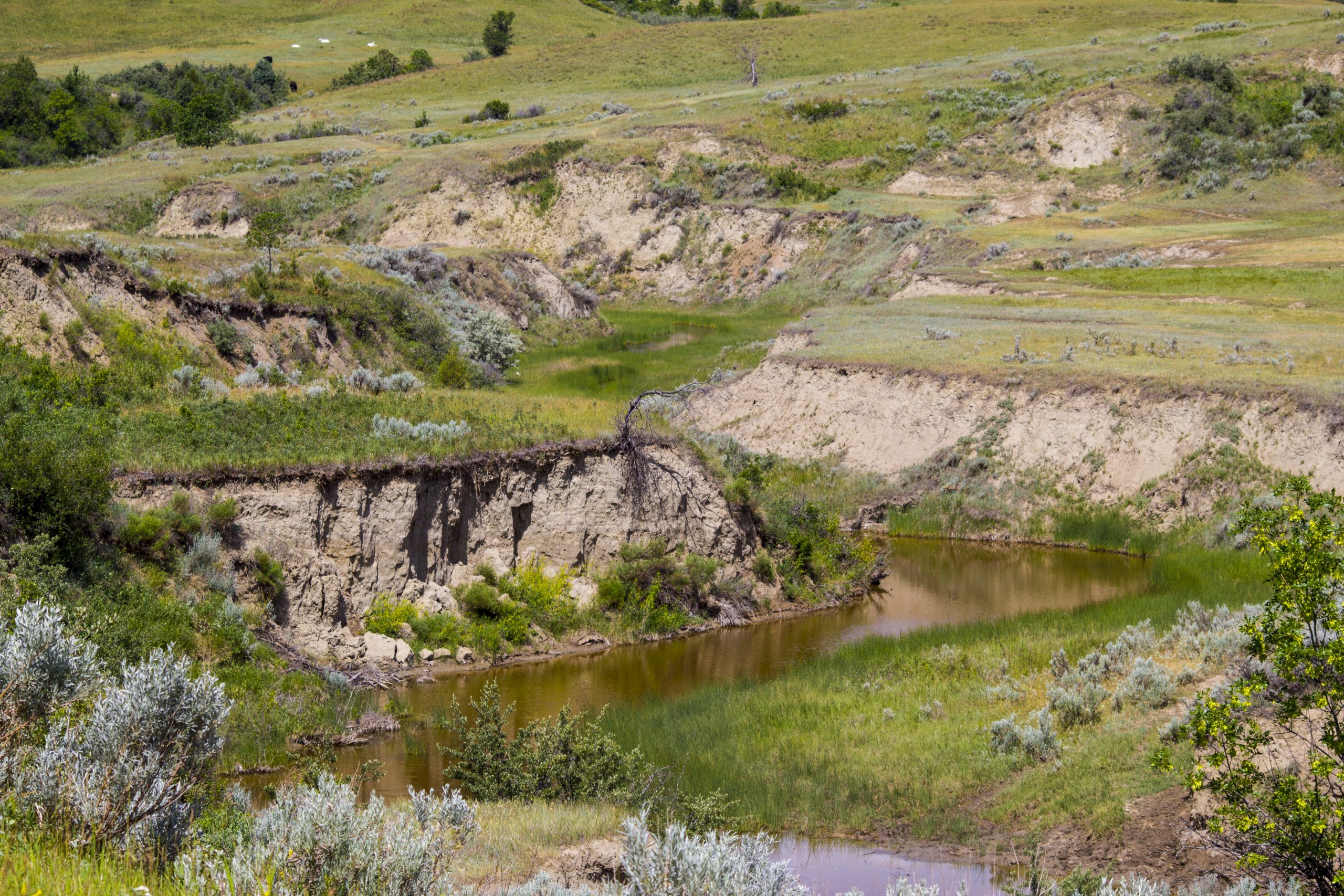
Across the Great Plains, rivers and streams are more than lines on a map. They are lifelines for wildlife, working lands and communities, providing water, habitat and natural corridors through one of North America’s most iconic landscapes.
But these systems face growing pressure. Prolonged drought, invasive species, altered floodplains, development and increasing demands for water have changed the way water moves across the landscape and degraded many of the riparian areas that wildlife depend on.
Recognizing that healthy waterways are essential to healthy wildlife habitat, the National Wild Turkey Federation launched its Waterways for Wildlife Initiative in 2022. The landscape-scale initiative brings together state and federal agencies, conservation organizations, private landowners and other partners to restore riparian ecosystems across a 10-state region.
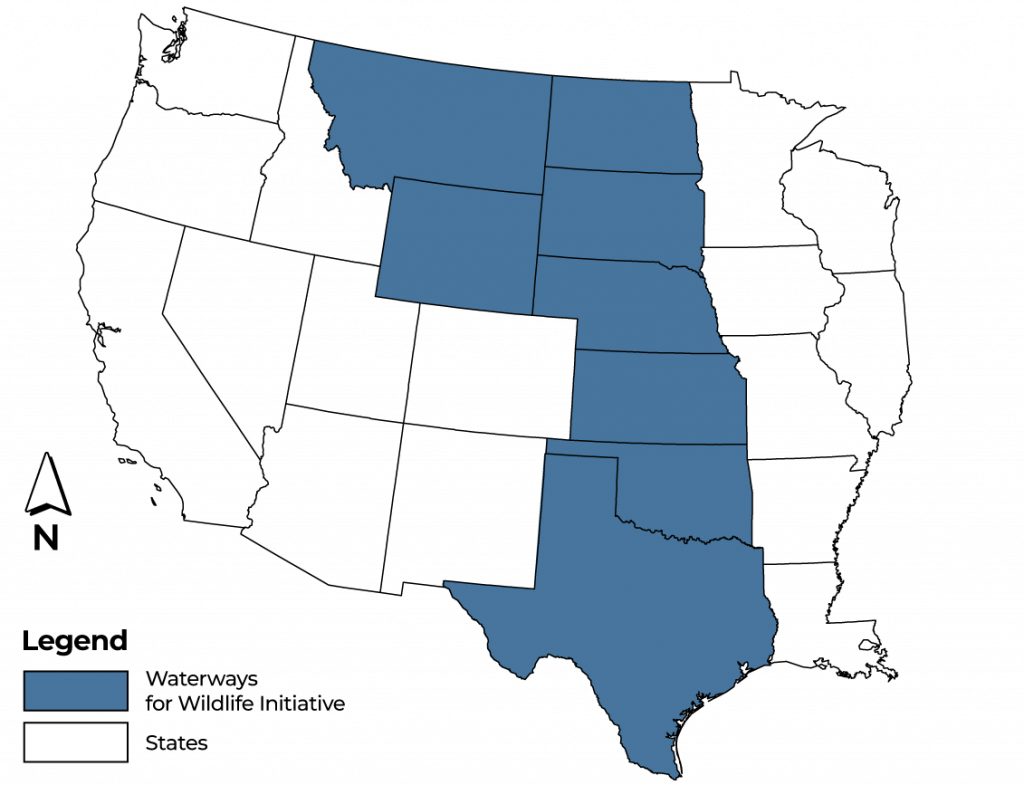
The goal is ambitious: improve 75,000 acres of riparian habitat and enhance 1,500 miles of waterways by 2032. Five years into the initiative, that work is gaining momentum.
In 2026, the NWTF and more than two dozen conservation partners allocated $5.52 million to 15 projects across eight states. Together, those projects are expected to directly impact nearly 68 stream miles and more than 4,394 acres of riparian habitat this year.
The 2026 investment also marks an important milestone for the initiative. Through the first five years, the NWTF has allocated $966,500 of its own funding to Waterways for Wildlife projects. With partner support, that investment has helped generate nearly $33 million for water-related conservation, representing more than a 33-to-1 return on NWTF funds.
Numbers to Date
To date, Waterways for Wildlife projects have directly enhanced nearly 280 stream miles and almost 49,980 acres of riparian habitat.
Those numbers represent more than acres and stream miles. They represent restored wetlands, healthier streambanks, improved water retention, better wildlife habitat and stronger ecosystems that can continue providing benefits for years to come.
Why Riparian Areas Matter
Riparian areas make up only a small portion of the Great Plains landscape, but their importance is enormous. These corridors of trees, shrubs, grasses and wetlands provide water, food, cover and travel routes for wild turkeys and hundreds of other wildlife species, including sensitive species like bald eagles and neotropical migrating songbirds.
Healthy riparian systems also benefit people. They help filter water, stabilize streambanks, recharge groundwater and reduce the effects of flooding and drought. Riparian areas also provide the critical water needed to support the agricultural operations needed to feed the country and beyond and to sustain communities across the Great Plains.
For wild turkeys, these areas are particularly important. Riparian corridors provide critical roosting habitat in an otherwise sea of grasslands. They also provide nesting and brood-rearing habitat, food resources and reliable sources of water, all making healthy waterways an important part of maintaining resilient turkey populations.
Conservation in Action
The impact of Waterways for Wildlife can be seen across the region through projects that address the unique challenges of individual watersheds.
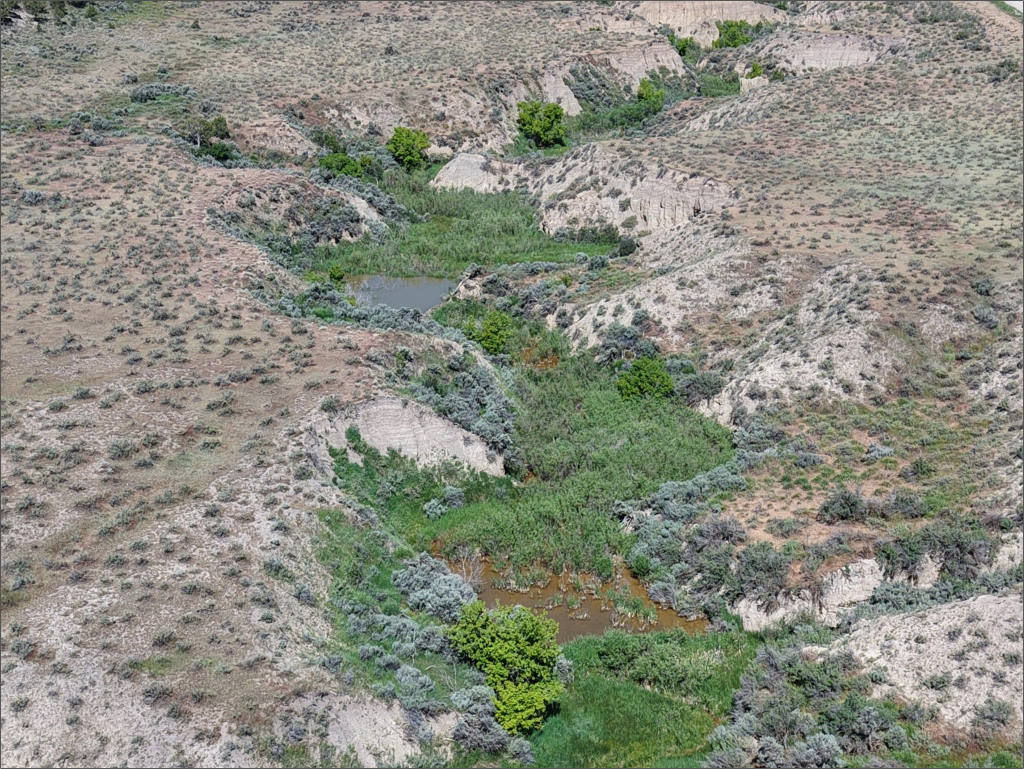
In western Colorado, partners recently completed the first phase of restoration at West Rifle Creek State Wildlife Area, a project funded through the 2025 allocation. The creek had become deeply incised and disconnected from its floodplain, causing water to move rapidly downstream rather than spreading across the surrounding landscape.
Through the Waterways for Wildlife Initiative, Colorado Open Lands, Colorado Parks and Wildlife, Ducks Unlimited, the Mule Deer Foundation and the NWTF worked together to restore natural processes along the creek. The project reconnects the channel with its floodplain, helping slow water, capture sediment and restore riparian habitat. Monitoring will continue through 2028 to track changes in water retention, wetlands and wildlife habitat.
In southern Colorado's San Luis Valley, another multi-partner project along the Conejos River was completed in phases through 2026. Funded in part through Waterways for Wildlife, the effort focused on improving watershed health and riparian conditions along the river upstream of Mogote, benefiting wild turkeys, migratory birds and numerous other species.
South Dakota offers another example of how water conservation and habitat management can work together. The Pattee Creek Grassland Enhancement Project, completed in February, restored 75 acres of grassland along Pattee Creek and near Lake Lakota. The project is improving habitat while helping maintain healthier conditions along a waterway that is important to wildlife. Additional cedar removal and prescribed fire will continue to maintain the restored landscape.
While the landscapes and restoration techniques vary, the projects share a common approach: work with natural processes, strengthen partnerships and address water and habitat challenges at a scale large enough to make a lasting difference.
For the NWTF’s 2026 Conservation Week, a project from each state within the Waterways for Wildlife Initiative shows the type of work the NWTF is doing across the Great Plains to create healthy habitat for turkeys on the ground. Check out these projects.
Partnerships Make the Difference
Waterways for Wildlife was built around the idea that conservation works best when partners bring their resources, expertise and local knowledge together.
The initiative's 2026 partners include federal and state agencies, conservation organizations, private landowners and other groups working across the Great Plains states. More than two dozen partners are contributing to this year's projects, helping turn relatively modest NWTF investments into much larger conservation outcomes.
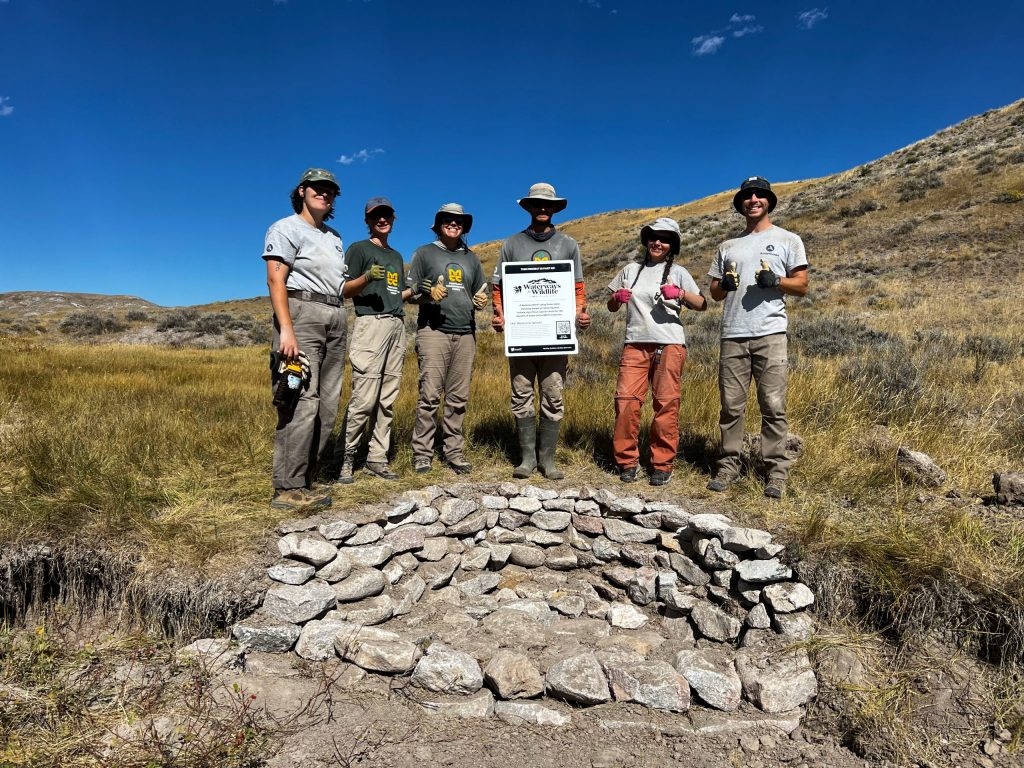
That collaborative model has become one of the initiative's greatest strengths. Each project is different, but the goal remains the same: improve the health of waterways and the wildlife habitat connected to them.
NWTF members are an important part of that effort, too. Every membership, banquet, donation and volunteer hour helps provide the resources that allow the federation to invest in conservation and bring partners to the table.
What's Next
Waterways for Wildlife is now halfway through its 10-year timeframe, but the work is far from finished.
The initiative still has a goal of improving 75,000 acres of riparian habitat and enhancing 1,500 miles of waterways by 2032. With nearly 50,000 acres and 280 stream miles already directly enhanced, the progress is significant, but thousands of additional acres and miles remain in need of conservation.
And the need continues to grow. Each year, the NWTF receives more quality projects than available funding can support. The limiting factor is not a shortage of willing partners or conservation opportunities, but the resources needed to put more of those projects on the ground. That makes the years ahead especially important — and gives NWTF supporters an opportunity to help expand what’s possible. Learn more about supporting NWTF’s conservation work through a financial gift, becoming a member or connecting with the NWTF team in your state.
Every restored stream mile can improve water retention and habitat. Every acre of invasive species removed can give native vegetation room to recover. Every floodplain reconnected can help water move more naturally across the landscape.
Together, those efforts are creating healthier waterways and more resilient landscapes for wild turkeys, wildlife and people.
The Great Plains will continue to face drought, changing water demands and other challenges. But through Waterways for Wildlife, the NWTF and its partners are proving that conservation can meet those challenges with collaboration, science and work on the ground.
The goal is not simply to restore a stream or improve a single piece of habitat. It is to create healthier, more connected landscapes where clean water, abundant wildlife and opportunities to experience the outdoors can endure for generations.